World Vocal Chamber Folk
String quartet, string band, vocal quartet, jaw-dropping improvising world-music collective….pick a box and Real Vocal String Quartet will think outside it, with style. RVSQ plays original songs and unique arrangements that pay tribute to music from Appalachia to Kenya to Brazil, with sparkling improvisation that impresses and moves.
“Polished string-quartet playing with haunting, expressive singing.” –Strings Magazine“Polished string-quartet playing with haunting, expressive singing.” –Strings Magazine
Click here for video from our YBCA premiere of Culture Kin
Fely Tchaco (Abidjian, Cote D’Ivoire) and Sam Shuhan (RVSQ) team up to create emotionally charged Woui Le M’en Fe
Máirtin de Cógáin (Cork, Ireland) and Sumaia Jackson (RVSQ) team up for Irish ballad and reel Holding an Eye
RVSQ in the NEWS
-
Added Saturday November 16
- Songlines UK, Album review, 11/01/2019, Real Vocal String Quartet, Culture Kin
Previous press clips
- Wisconsin Public Radio, Feature story, 07/23/2019, Introducing “Real Vocal String Quartet”
- The Mercury News, Feature story, 05/22/2019, Irene Sazer and Real Vocal String Quartet debut ambitious new music in SF
- San Francisco Examiner, 06/06/2019, Good Day May 23-25, 2019
- East Bay Times, Feature story, 05/22/2019, Irene Sazer and Real Vocal String Quartet debut ambitious new music in SF
- Gapplegate Classical-Modern Music Review, Album review, 08/13/2019, Real Vocal String Quartet, Culture Kin
- Correct Dude, Event preview, 06/06/2019, Irene Sazer’s new RVSQ music might be her most ambitious yet
- Midwest Book Review, Album review, 06/11/2019, The Library CD Shelf
- Midwest Record, Album review, 05/08/2019, REAL VOCAL STRING QUARTET/Culture Kin
- SF Chronicle, Feature story, 05/22/2019, Violinist Irene Sazer taps talent from SF’s sister cities for new project
- RootsWorld, Album review, 07/03/2019, Real Vocal String Quartet
- Patch, Event preview, 06/06/2019, Real Vocal String Quartet World Premiere, CD Release- Culture Kin
Culture Kin is a new body of work funded by the Gerbode foundation in collaboration with Women’s Audio Mission and premiered at the Yerba Buena Center for the Arts, introducing our newest recording.
RVSQ is working on a new body of work in collaboration with artists from 8 of San Francisco’s sister cities including Seoul SK, Osaka Japan, Abidjian, Cote D’Ivoire and Amman, Jordan. To move forward with this project, RVSQ welcomes Sumaia Jackson on five string fiddle, Helen Newby on cello and Sam Shuhan on string bass. Yes BASS. We are changed and it’s a beautiful sound. Our newest recording is upcoming!

Buy our 2019 release, Culture Kin, at CDBaby or the Apple Store. Use streaming to find the music you love, but once you do, BUY it to support the artist!
And while you're waiting, listen to some music from our upcoming CD, Culture Kin!
Performances
| Please check back soon for upcoming performances. |
About RVSQ
Biography
On a mission to knit the world closer together through cultural collaboration, Real Vocal String Quartet freely mixes styles and transcends genres. RVSQ began with violinist Irene Sazer’s inspiration to combine her musical passions: chamber music, improvising, composing, and singing, and continues to grow with fiddler Sumaia Jackson, cellist David Tangney, and bassist Sam Shuhan.
The ensemble embraces diverse influences from classical, jazz, rock, as well as traditional roots music from West Africa, Brazil, and rural America. With past performances on the Tonight Show, with Feist at Coachella, and as cultural ambassadors with the State Dept., RVSQ strides forward on an adventurous path.
Starting from the eclectic, musically sophisticated base of the San Francisco Bay Area, RVSQ has found a national audience since releasing their debut CD in 2010.
Recent accomplishments include:
- Awarded Gerbode Special Grant in the Arts for a suite of new works called Culture Kin 2017
- Finalists in the SAVVY Chamber Music Competition 2017
- RVSQ’s third album, “Slacker Ridge,” was released in March, 2016.
- Selection by the U.S. State Department to perform as musical ambassadors with the American Voices program, which will send RVSQ to 5 countries in Europe for concerts and educational programs in Fall 2012.
- Quartet Residencies at University of Delaware School of Music and Cal Poly Pomona
- Booking by nationally recognized presenters including San Francisco Performances, Folk Yeah, U.C. Berkeley, San Francisco Friends of Chamber Music, and Switchboard Festival
- Appearances on local and national television (including appearance with Canadian Grammy Nominee Feist on The Tonight Show) and radio
- Press coverage in national publications including Christian Science Monitor, Paste, Relix, Strings Magazine, and The Strad.
- Collaboration and/or recording credits with nationally recognized artists including Feist, Mirah, Beats Antique, Vetiver, Aaron Novik, and Spencer Day
 Irene Sazer
Irene Sazer is an improvising violinist, composer, arranger, and singer whose unique style combines world and roots music with classical, jazz, and pop sensibilities. Known internationally as a founding member of the Turtle Island String Quartet, Sazer’s career has encompassed success as a concerto soloist, a concertmaster, an established recording artist, and a recognized educator of music and improvisation.
She founded and directs the School of Strings and String Improvisation in Berkeley, California. Sazer’s own recording First Things First highlights her original voice as a singer and songwriter. An in-demand genre-hopping violinist and fiddler, Irene has recorded and/or performed with Jai Uttal, Ali Akbar Khan, Ella Fitzgerald, Ray Charles, Natalie Cole, Frank Sinatra, Smoky Robinson, David Grisman, Linda Rondstadt, Bjork, Maria Marquez, and Billy Joel. Passionate about combining her musical interests in new ways, Sazer continues to push boundaries, exploring the world with her violin, her voice, and her imagination.
David Tangney
As one of the leaders in modern cello playing David Tangney has brought his unique sounds and nontraditional sounds to a vast landscape of genres. Working with artists such as Rostam, Lucius, and Natasha Bedingfield he has worked in the sudio and toured extensively both domestically and internationally. He currently resides in Los Angeles working as a freelance cellist.
 Sumaia Jackson
Fiddler and tunestress Sumaia Jackson is a quintessential embodiment of the West Coast fiddle sound – driving groove, smooth and open sound with sparkly twists and exciting turns. Born and raised in Santa Cruz, California, she studied classical violin intensely. During her teenage years Sumaia’s musical path widened – between Scotland, Canada, and the United States, she actively sought out communities of folk and roots musicians in Appalachian Old Time, Bluegrass, and more recently, Jazz.
In May 2016, she obtained a Bachelor’s Degree in Performance on a full scholarship, with a minor in American Roots Music, from Berklee College of Music in Boston. Now living in San Rafael, CA, Sumaia performs with Jayme Stone’s Folklife, with The Real Vocal String Quartet, with award winning Canadian fiddler Adrianna Ciccone, and various other groups around the United States.
 Sam Shuhan
Sam Shuhan, Principal Bass of The Santa Barbara Symphony, currently resides in Los Angeles where he stays active performing, teaching, recording and composing on upright and electric bass. Shuhan is finishing a Graduate Certificate after completing his Master’s Degree at the University of Southern California, where he studied with professor David Allen Moore.
His musical education began in Ithaca, New York where he received his Bachelor’s Degree from Ithaca College under the tutelage of Nicholas Walker. During this time, Shuhan studied classical and jazz and was occupied with a multitude of professional work in the upstate New York area. Shuhan was the winner of the 2011 Lee Strebel Memorial Youth Concerto Competition and in the following year performed as a soloist with the Cayuga Chamber Orchestra.
Instrumentation
Irene Sazer, violin and voice
Sumaia Jackson, violin and voice
Helen Newby, cello and voice
Sam Shuhan, bass and voice
Discography
Slacker Ridge (2016)
Four Little Sisters (2012)
Real Vocal String Quartet (2010)
Music
 Coming March 24th!
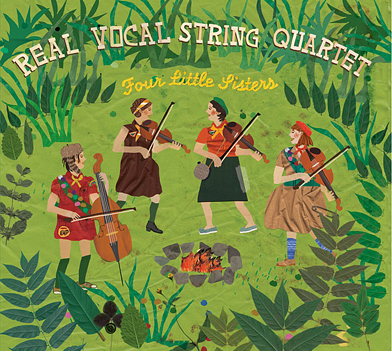 Available now from

Available from CDBaby, iTunes, Amazon, Rhapsody, and at our live shows.
RVSQ also recorded on:
Feist “Metals” (Cherrytree/Interscope , 2011)
Lord Loves a Working Man, “LLAWM” 2011 (Working Man, 2011)
Vetiver “To Find Me Gone” (DiCristina, FatCat Records, 2006)
…and opened for and/or played with:
Väsen, March 2010
Alicia Jo Rabins/Girls in Trouble, January 2011
Beats Antique, March 2011
Mirah, August 2011
RVSQ performed at the opening ceremony of “Language of the Birds,”
a site-specific permanent art installation in North Beach, San Francisco, 2008.
Electronic Press Kit
Download RVSQ Electronic Press Kit (21MB Zip file)
Photos & Videos
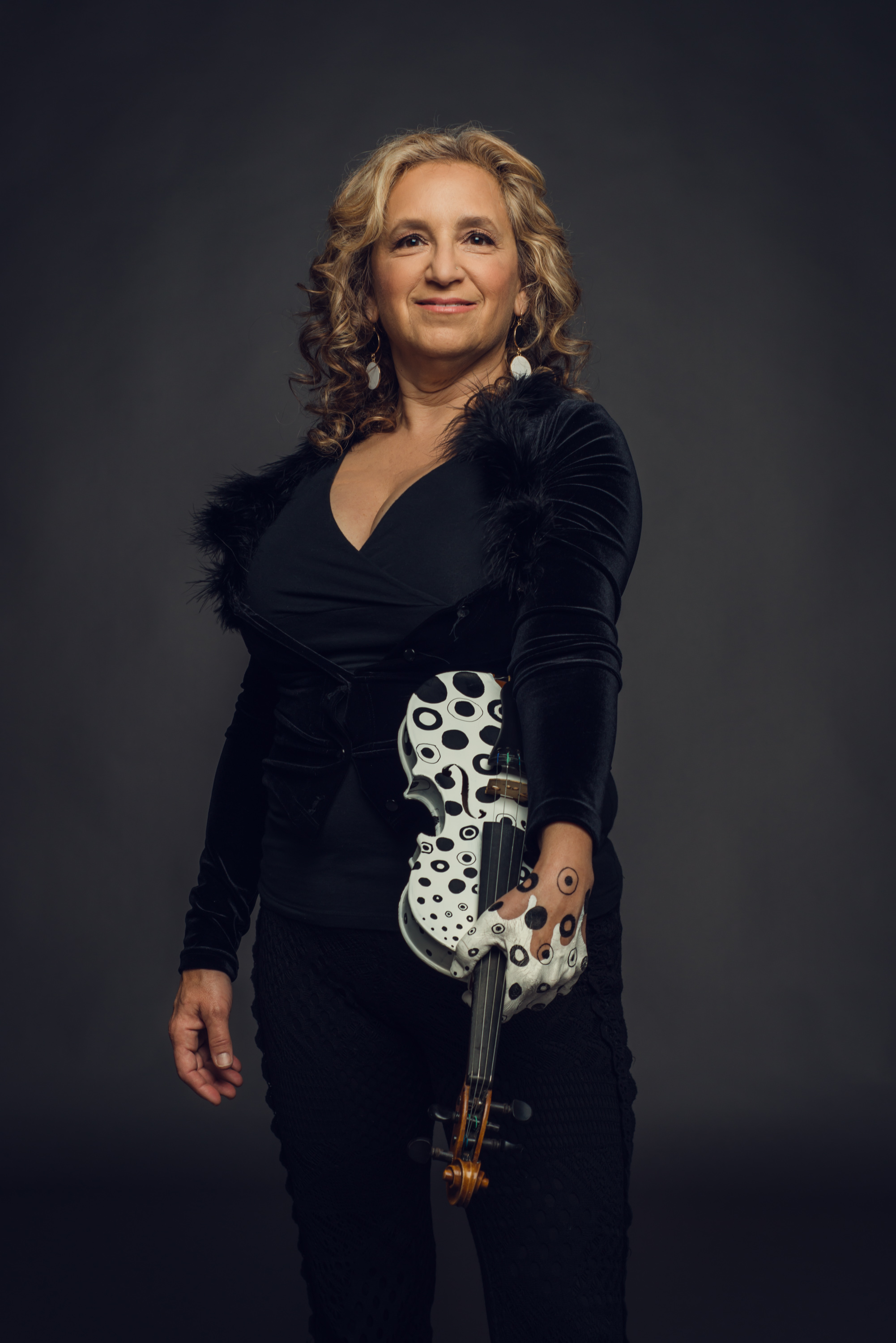
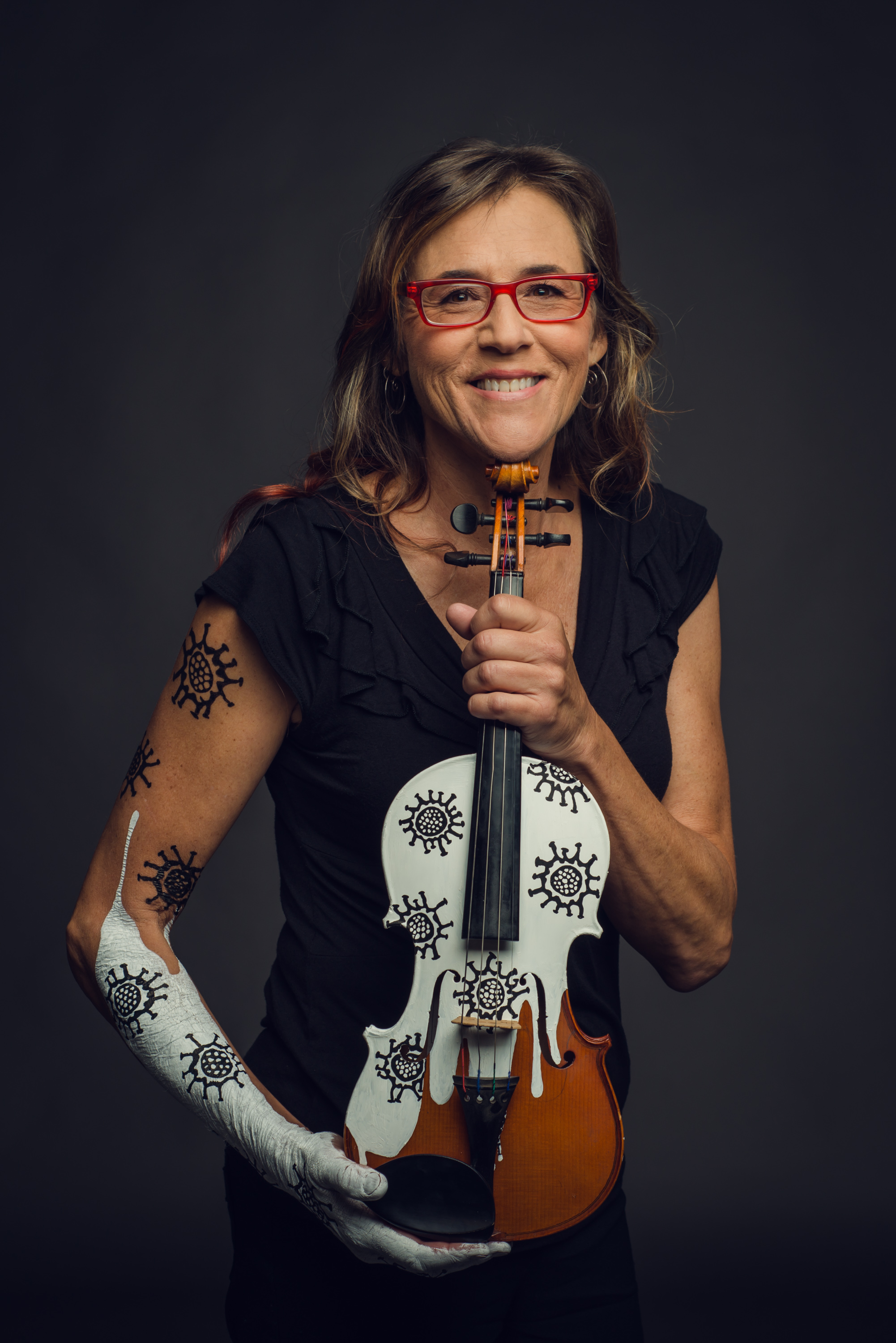
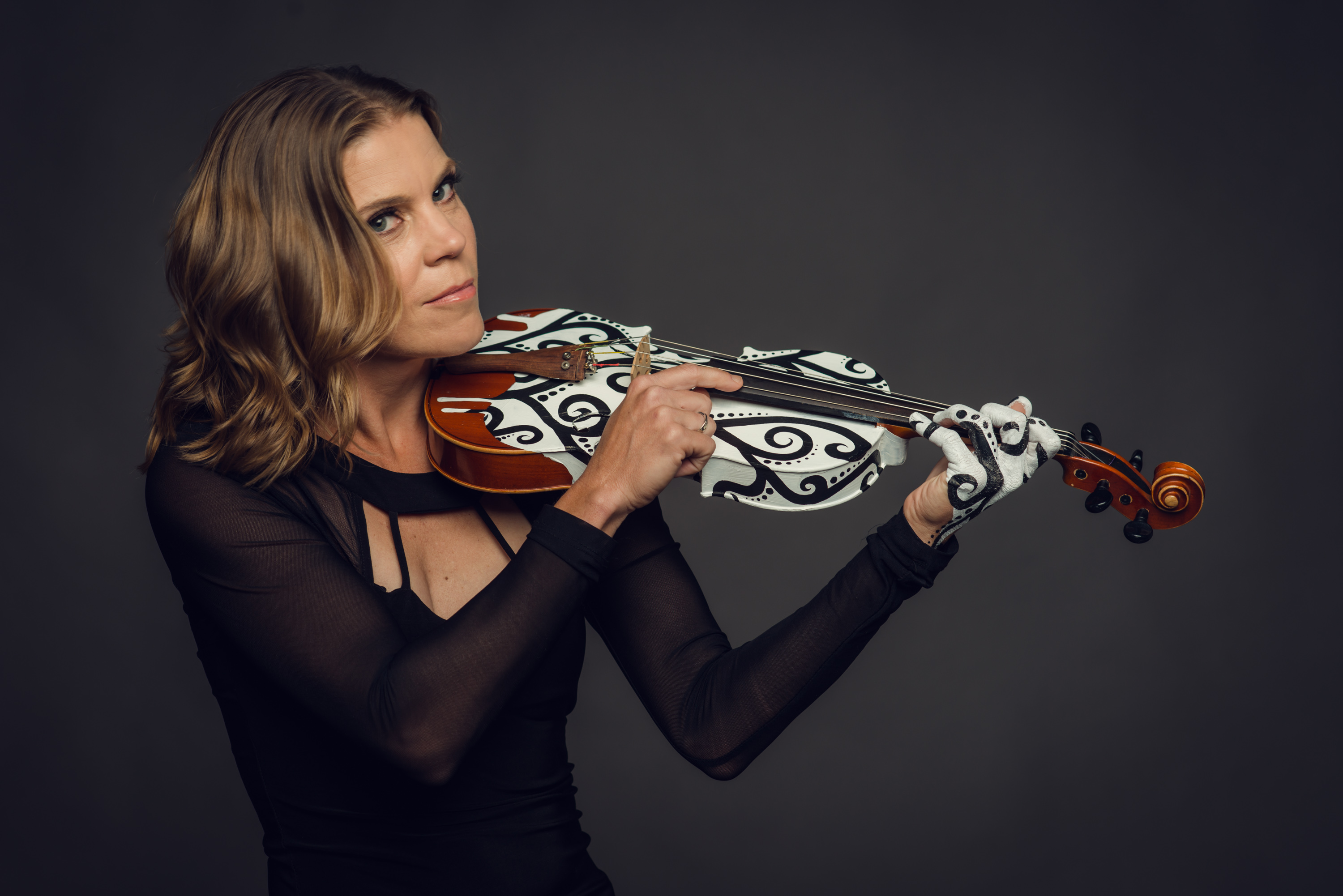
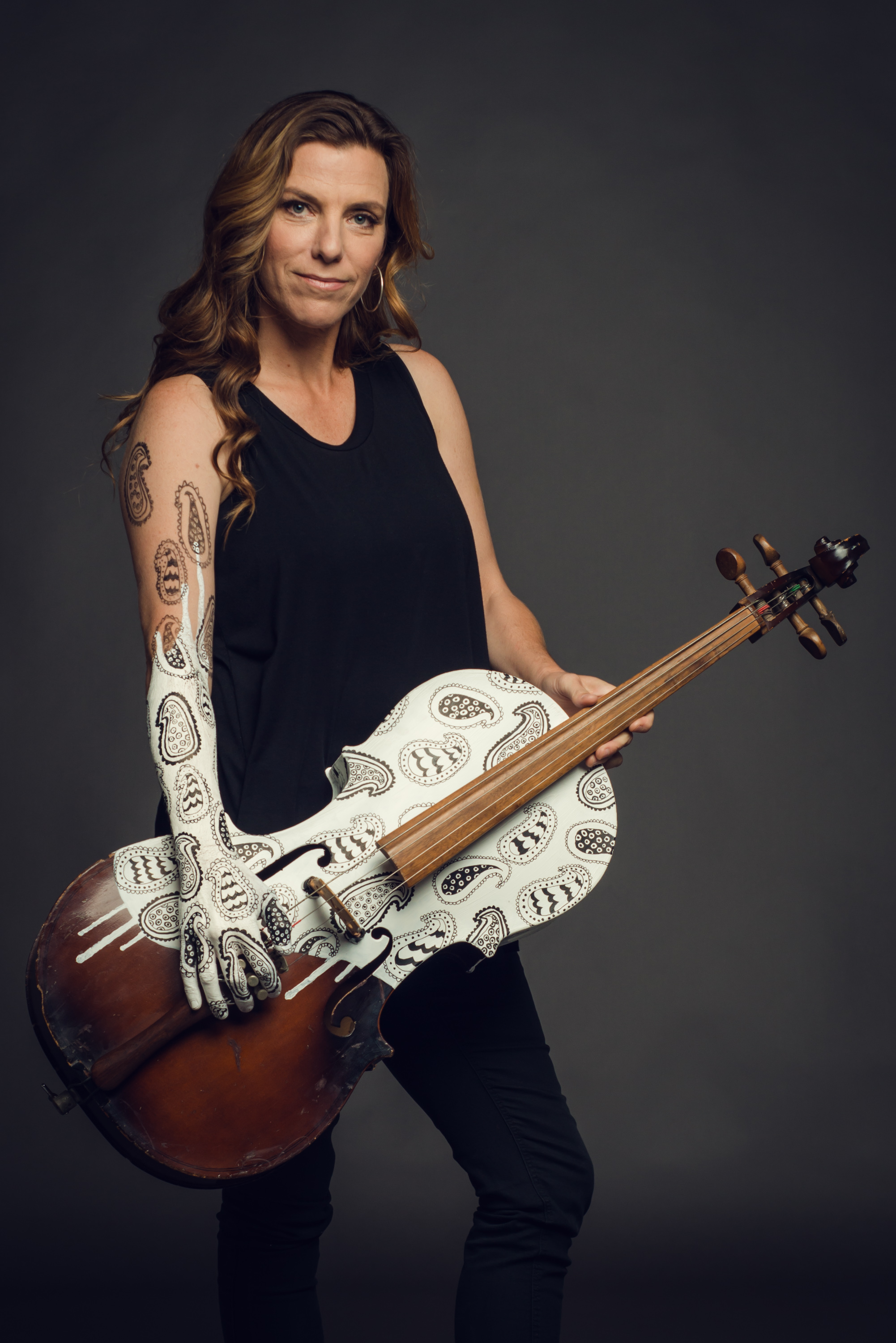
-

- Photo series by Lenny Gonzalez




-

- Photo series by Lenny Gonzalez

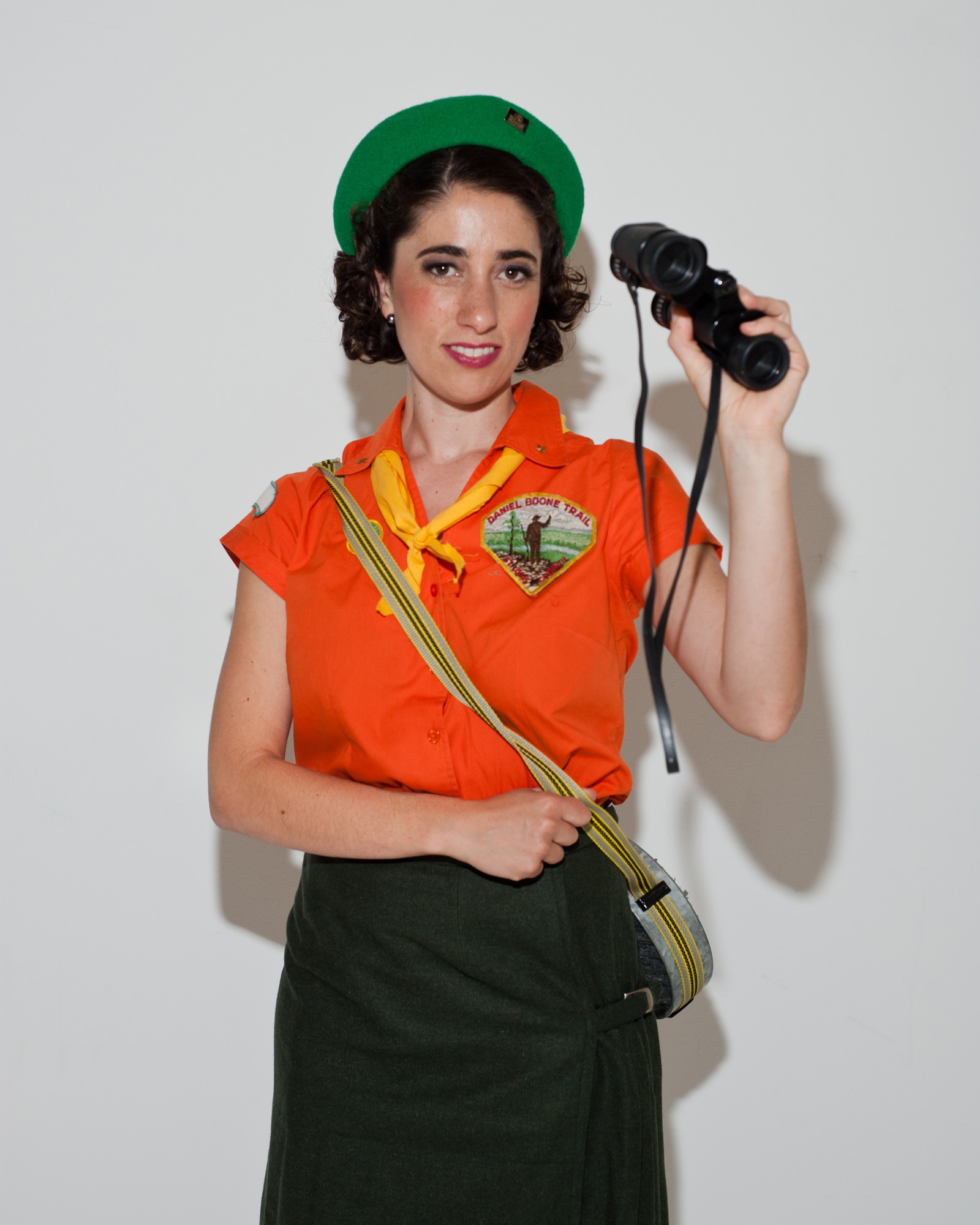

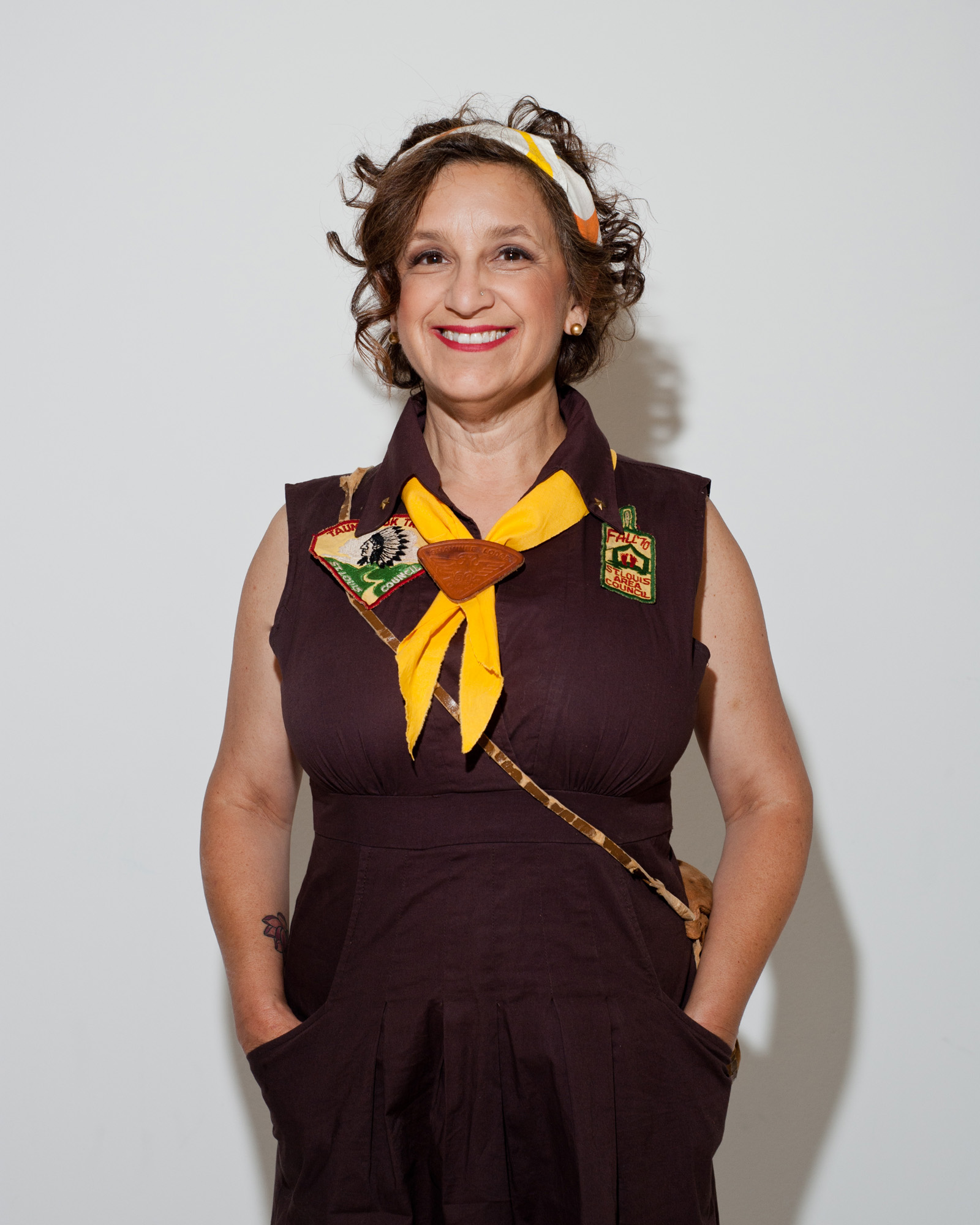
-

- Photo series by Lenny Gonzalez
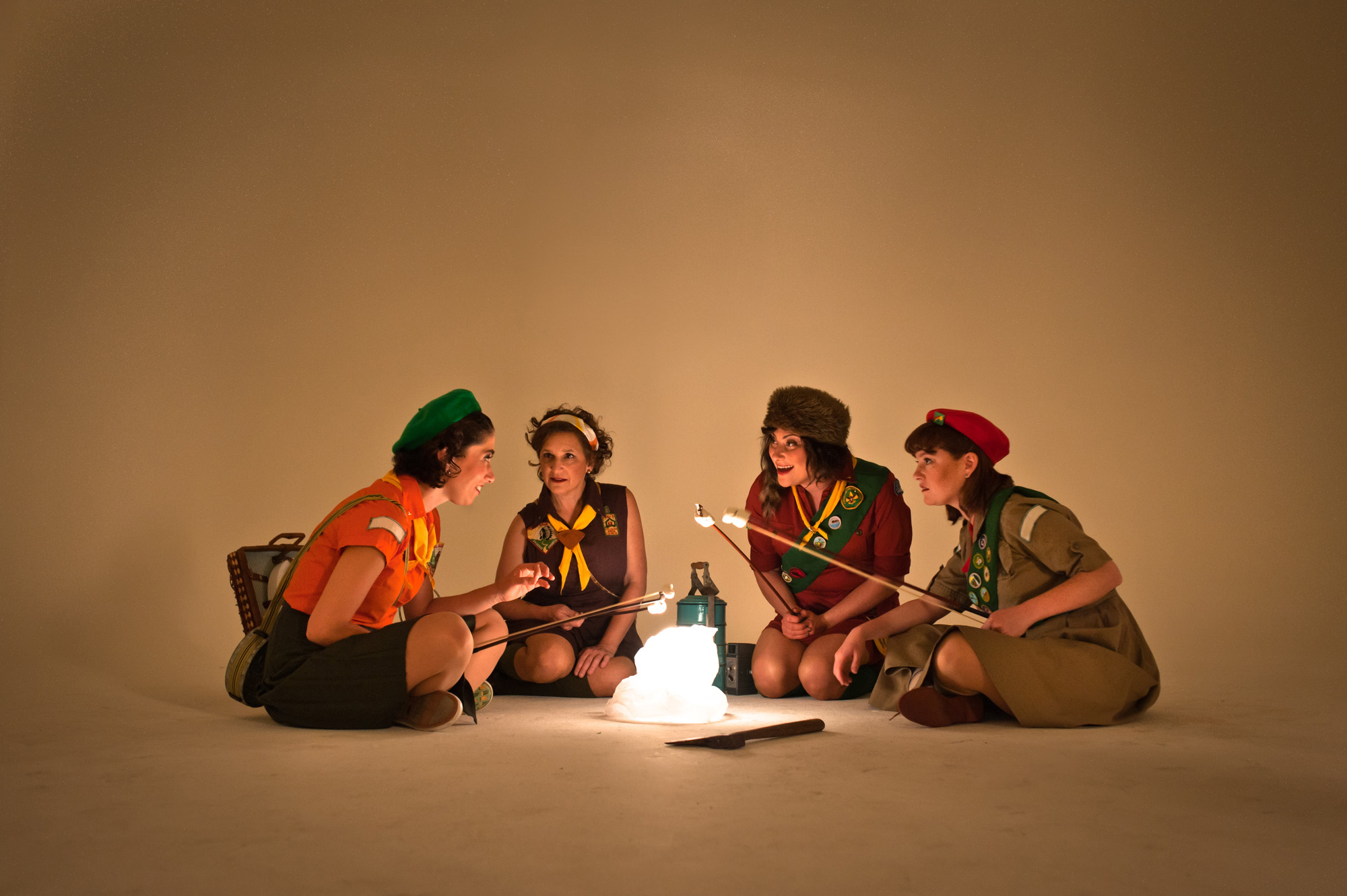



-

- Photo series by Matt Washburn


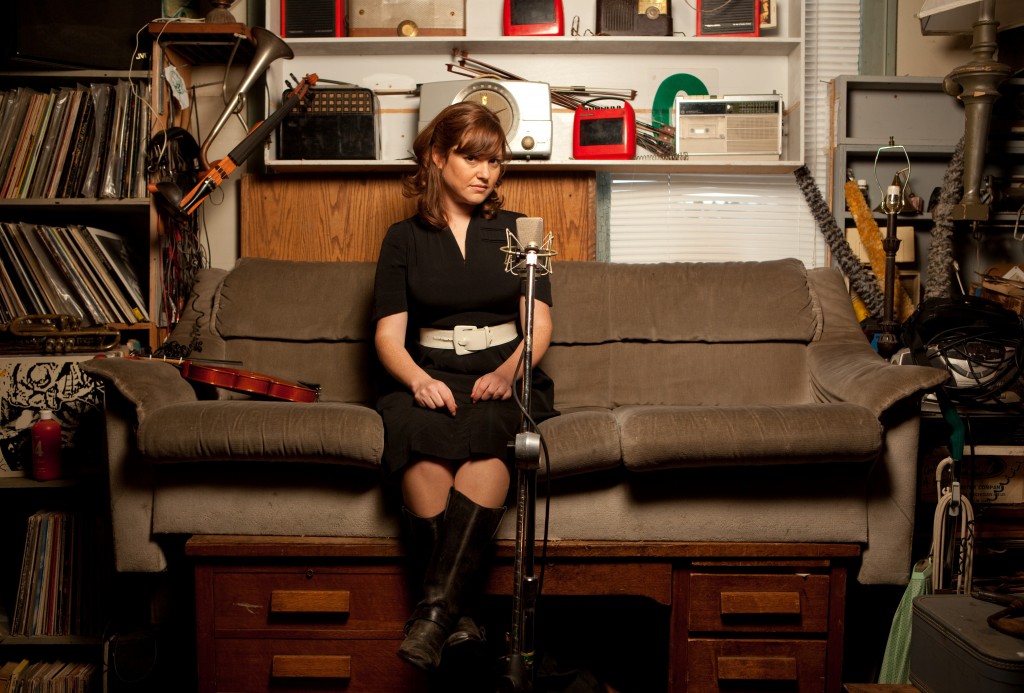





-
- Photo series by Lenny Gonzalez
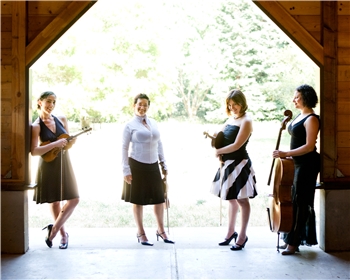

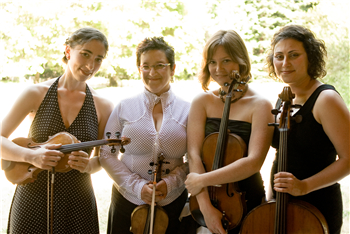
Videos
Our arrangement of "Sweet Honey Bee" by Duke Pearson Video produced by Chasing the Moon
Our arrangement of "Falling Polska" by Vasen Video produced by Chasing the Moon.
Video by Max Baloian
Video by Max Baloian
Video by Max Baloian
Reviews
Strings
A Band of Sisters
The Real Vocal String Quartet is a chamber-jazz group that can sing and perform ‘Turkey in the Straw’ in Macedonian. Scout’s honor.
By David Templeton, October 2013
 “Jet lag! The gift that keeps on giving,” smiles Irene Sazer, unpacking her violin inside the studio at KQED, San Francisco’s largest public radio station. Less than 24 hours after returning from a multi-country Eastern European tour, courtesy of the U.S. State Department’s American Music Abroad Program, Sazer and the three other members of the Bay Area-based Real Vocal String Quartet are valiantly fighting the effects of desynchronosis while preparing to tape a mid-morning interview for the syndicated radio show The California Report….”
Strad Magazine
2/1/13 James Crel
Real Vocal String Quartet
FLOWER NOTE RECORDS
A generally enjoyable collection from a group of singing string players
Machine: violinist Alisa Rose’s sophisticated arrangement is carried off with aplomb, the group’s finely textured percussive playing accompanying a clean, stripped-back vocal. It’s a recipe that continues into subsequent songs – the ensemble’s range of pizzicato builds a really strong and distinctive rhythmic feel that makes their performance of folk/pop songs both credible and interesting – not something that many string quartets can pull off.
In fact though, vocals are used relatively sparely so there’s plenty of room for the group to demonstrate their playing calibre – the stylish, bluesy phrasing of Homage to Oumou, the polished violin solo of Elephant Dreams or the warmth of the bluegrass Allons à Lafayette are prime examples.
Strings Magazine
Put a Lil’ ‘Sweet Honey Bee’ in Your Morning Coffee
The Real Vocal String Quartet makes a definitive statement on latest CD
Four Little Sisters. The Real Vocal String Quartet. (Flower Note)
From the opening track, a string-quartet arrangement of Regina Spektor’s “Machine” (with its intimate vocal), the Real Vocal String Quartet calls the listener to attention with the clockwork tap of bow on wood and the grating snap of a well-played chop. This independent release from the San Francisco Bay Area–based string quartet—violinists and vocalist Irene Sazer and Alisa Rose, violist and vocalist Dina Maccabee, and cellist and vocalist Jessica Ivry—shines a light on one of the most talented and innovative quartets on the chamber-music scene (Sazer is an up-and-coming composer and a founding member of the Turtle Island Quartet, Rose is a current member of Quartet San Francisco, and all are gifted arrangers, who have contributed arrangements to this publication’s Strings Charts line).
Read more…
http://www.allthingsstrings.com/Reviews/Recordings/Put-a-Lil-Sweet-Honey-Bee-in-Your-Morning-Coffee
The California Report
Listen to a feature about RVSQ on the California Report Friday, December 21, 2012.
http://www.californiareport.org/archive/R201212211630/d
The group, just back from a 5 week cultural ambassadorship in 5 Eastern European countries, plays and tells stories from the trip.
San Francisco Classical Voice
The Queens of Improv: Real Vocal String Quartet
The game has changed more than many are ready to admit, and being a classical musician these days requires some real versatility. But with two CDs under its belt, including its recently released Four Sisters album, plus a month-long tour on deck, the Real Vocal String Quartet (or RVSQ) must be doing something right.
http://www.sfcv.org/preview/san-francisco-performances/the-queens-of-improv-real-vocal-string-quartet
World Music Central
10/23/12 ARomero
The Real Vocal String Quartet, based in the San Francisco Bay Area, has released its new album Four Little Sisters this month. The ensemble will be presenting the new material during an East Coast tour.
The quartet is known for its combination of classical music, jazz improvisation, American roots genres and world music. On Four Little Sisters, the ensemble includes a tribute to Malian star Omou Sangare, new arrangements of songs by Brazilian star Gilberto Gil, Cajun maverick Michael Doucet and pop singer David Byrne; and a Swedish polska with a little bit of klezmer.
Four Little Sisters is a genuinely diverse album by a string quartet that holds great promise.
Read more at
SF Weekly
10/17/12 Ian S. Port
“The quieter songs are even more surprising. Opener “Glyphs” features lush contributions from members of the Real Vocal String Quartet. Somber closer “See You on the Slopes” finds Donovan singing alone, accompanied only by a piano. Sic Alps have approached this kind of intimacy in the past, but it was always tempered with chaos, by sonics that alienated the listener while luring them in.”
http://blogs.sfweekly.com/shookdown/2012/10/how_sic_alps_is_like_pavement.php
Splinters and Candy
by Alex on October 16, 2012
Real Vocal String Quartet are not your typical string quartet. These four women from the Bay Area play a lot more than baroque and classical music. RVSQ came together with a mission to combine chamber music, improvising, composing, and singing. Their style of chamber music is all encompassing. On their latest record, Four Little Sisters, RVSQ perform their own stunning renditions of Regina Spektor’s “Machine,” Gilberto Gil’s “Copo Vazio,” Duke Pearson’s “Sweet Honey Bee,” David Byrne & Dirty Projector’s “Knotty Pine,” and more.
read more at:
No Depression The Roots Music Authority
9/12/12
From the opening track of their new album, Four Little Sisters, Real Vocal String Quartet bring a stunning vision to their arrangements. The first song is an acoustic stringband re-envisioning of Regina Spektor’s song “Machine,” and I guarantee you haven’t heard a cello, violin, or viola played this way before. Machine-gun stutters, growling, rippling rhythms that sound almost harmful to the instrument, and floating ethereal vocals. Sounds a bit out there, but these four women are grounded by the traditions and the instruments they’ve chosen, and the album has a remarkable consistency.
read more at
http://www.nodepression.com/profiles/blogs/cd-reviews-alt-stringbands-black-prairie-and-real-vocal-string
Midwest Book Review
10/12/12
Four Little Sisters is the second collaborative album of Real Vocal String Quartet, a skilled set of arrangers and composers who enjoy reinventing traditional music by drawing on inspiration from jazz, pop, the great classics, and more. An instrument-heavy medley offering a harmonious fusion of ideas and rhythms, Four Little Sisters is highly recommended as an excellent choice for music lovers looking for something different. The tracks are “Machine”, “Homage to Oumou”, “Elephant Dreams”, “Copo Vazio”, “Allons a Lafayette”, “Sweet Honey Bee”, “Falling Polska”, “Durang’s Hornpipe”, “Knotty Pine”, and “Grand Mammon Waltz”.
http://midwestbookreview.com/ibw/oct_12.htm#LibraryCD
Lucid Culture
10/9/12
Edgy String Band Eclecticism from the Real Vocal String Quartet
Former Turtle Island Quartet violinist Irene Sazer, a pioneer of string-band improvisation, founded the all-female Real Vocal String Quartet. You could characterize them as a less caustic. considerably more eclectic alternative to Rasputina. They’re playing Barbes on Oct 13 at midnight – and then they’re at Passim in Cambridge, MA the next day at 4:30 PM! That same sense of adventure pervades their music, drawing on genres from around the world to create an enchanting, original, sometimes gypsy-tinged blend.
read more at:
http://lucidculture.wordpress.com/2012/10/09/realvocal/
Folk & Acoustic Music Exchange FAME
10/8/12
Mark S. Tucker
Irene Sazer was one of the original members of the Turtle Island String Quartet, but she’s erected a new wrinkle in the old gig in her new incarnation within the Real Vocal String Quartet, a deviation that’ll interest her old alma mater and then some. I mean, Christ, ya can’t possibly ace a group that numbered Mads Tolling and Darol Anger among its erstwhile august roster and still features incredible co-founder David Balakrishnan, but you sure as hell can give ’em reason to pause in their tracks, and that’s what Four Little Sisters establishes. For one, there’s an enticing sense of playfulness ranging right alongside the classical, avant-garde, folkways, and jazz sensibilities, nor does the band lack for cleverness or subtlety…and, hey, it’s all wimmens!
Read more at:
http://www.acousticmusic.com/fame/p08317.htm
Utne Reader
10/1/12
Music Sampler pick for October, 2012 http://www.utne.com/utne-reader-music-sampler.aspx
Four women, three violins, and one cello are the ingredients for this surprisingly eclectic and experimental collection of music. Real Vocal String Quartet melds influences from the predictable (chamber orchestra) to the less expected (jazz and folk) to the downright surprising (rock, West African, and Balkan music). Genres are mixed, then layered with the quartet’s vocal harmonies and improvisation for results that are playful, complex, and often mesmerizing. Each of these elements have a place in RVSQ’s cover of Regina Spektor’s “Machine.” The group’s second release, Four Little Sisters, is available through their website now.
Read more: http://www.utne.com/utne-reader-music-sampler.aspx#ixzz28G8ToDnp

Berkeleyside
September 20, 2012 Andrew Gilbert
“Four string sisters find their calling with help from Feist”The Real Vocal String Quartet blend conservatory chops, roots soul and vocal harmonies, laced with improvisational brio
The four women of the Real Vocal String Quartet know they have something rare and unusual going, but it wasn’t until they answered a last-minute call to collaborate with the Canadian singer/songwriter Leslie Feist that they fully realized the singular nature of the ensemble.
http://www.berkeleyside.com/tag/real-vocal-string-quartet/
Midwest Records
September 14, 2012
Bay area pomo babes go for it with girl scout uniforms hiding the sonic experimentation. A solid case of left of center girl power, this is a set that gleefully colors outside the lines that pairs Duke Pearson with Regina Spector with their take on traditional music. Certainly not for you if you watch “X Factor”, this head music is tailor made for those that like their pop music made for their summer home on Mars.
My World Music Friends
September 20, 2012
Matthew Forss
Hearth Music
September 2012
“A masterful album from a group with great vision and a lot to say.”
Relix
April-May 2012
“Imagine yourself as an A-student who wants to use your hardearned skills in a way that shows you can have regular-kid fun, too. That’s essentially the situation that violinists Irene Sazer and Alisa Rose, violist Dina Maccabee and cellist Jessica Ivry—known collectively as the funky, genre-bending Real Vocal String Quartet (RVSQ)—were in when Feist discovered them via YouTube. The singer subsequently invited them to play on her latest album Metals and tour with her.”
Top 20 of 2011: 11. Feist – Metals
Kind of Bleu
“The other show-stopping guest is the Real Vocal String Quartet, an unusual group of women who sing while each plays her instrument. The warm strings and lush harmonies swell perfectly around the rest of the music.”
Real Vocal String Quartet: Feist’s Secret Weapon
Geoffrey Himes, Paste Magazine
“Feist had always had plans to add strings to her new album Metals. So when she and her three co-producers (Gonzalez, Mocky and Valgeir Sigurðsson) finished the basic tracks at Big Sur, they went looking for a California string quartet. Mocky called someone he knew who recommended someone else, who recommended the Bay Area’s Real Vocal String Quartet. The studio’s remote location meant that it took three hours to download a YouTube video of the band at the Berkeley nightclub Freight and Savage, but that was enough for Feist to extend an invitation.”
The New York Times – Feist: The Bounty of Solitude
culturemob.com
“Their chemistry as a musical group has become a catalyst for a creative explosion.“
Strad Magazine Review
www.StereoSubversion.com
“At times they remind me of some of Zap Mama’s early work but they have a style that is all their own.”
Part Vocal. Part String Quartet. Very Real.
By Rik Malone | Mar 14, 2010
KQED Arts, Feature/Concert Preview 03/14/10
“RVSQ’s music is by turns beautiful, haunting, mesmerizing and foot-stomping fun.”
Music Union : Live Your Music
Shannon Logan 03/18/10
“The instruments sometimes mimicked the sounds of sitars, bagpipes, flutes, human voices. And sometimes they just sounded like…a viola, a cello, a violin.”
The Un-Chamber Music of Real Vocal String Quartet
March 13, 5:59 PMLA Performing Arts Examiner
Melissa Berry
“They dive into the unpredictable when they play ‘Now,’ a group improvisation that changes every time. No one, not even the person who initiates the piece knows what she is going to play, but that all changes once they get going. Wherever they began individually, together, the players in Real Vocal String Quartet have gone somewhere entirely new.”
The California Report
“Violinist Irene Sazer is best known as a founder of the innovative chamber group Turtle Island String Quartet. Sazer has always had a wide range of musical interests, lending her talents to everything from orchestras to jazz singers. On the new CD by her group, the Real Vocal String Quartet, Sazer’s diverse musical vision comes into sharp focus. Jazz critic Andrew Gilbert has a review.”
Vocal strings
“On their eponymous debut CD, the Real Vocal String Quartet (Flower Note Records) winningly redefines string quartet repertoire with an authority that puts them in the same league as the venerable Kronos Quartet. These four Berkeley women perform largely original music – flavored with Appalachian fiddle tunes, African songs, and Brazilian dances. As their name suggests, their dulcet voices harmonize in lush synchronization with their violins, viola, and cello. This spritely marriage of string quartet precision and elegance with lyrically sophisticated pop vocals makes their bridging of the chasm between pop and classical music freshly enchanting.”
Real Vocal String Quartet
“Tonight @ Freight & Salvage: The brainchild of violinist Irene Sazer (Turtle Island String Quartet), RVSQ brings together some of the Bay Area’s most versatile musicians, including violinist Alisa Rose, violinist/violist Dina Maccabee and cellist Jessica Ivry. Celebrating the release of its eponymous album, the band combines four-part vocal harmonies, foot stomps and percussive bow techniques with melodies and rhythms from Brazil, West Africa, Appalachia and the Balkans. Erasing distinctions between old-time and new music, the gals are simply keeping it real.”
Classical music played differently from the norm, but with the passion and joie de vivre worthy of the great masters
Midwest Book Review (Oregon, WI USA)
“Real Vocal String Quartet is the exciting album of four classically-trained female players who have forsaken the artificial constraints of both the old classical realm, where musicians are expected to sacrifice their creativity to better contribute to the overall orchestra sound, and the contemporary classical world, the “new music” of which can take difficulty to absurd lengths. Real Vocal String Quartet features simultaneous singing and string playing that defies the boundaries of the soloist-centered and conductor-centered classical music scenes. An extraordinary acoustic experience, Real Vocal String Quartet is a gem for public library collections and anyone interested in hearing classical music played differently from the norm, but with the passion and joie de vivre worthy of the great masters. Highly recommended.”
CD Review: The Real Vocal String Quartet
“There’s so much here that it ought to appeal to a lot of fanbases: neoclassical types, world music and chamber music fans, and just your average pop/rock person looking for something good for the ipod.”
Real Vocal String Quartet
East Bay Express
By j. poet
“The Real Vocal String Quartet is set on expanding the parameters of classical string music.”
Roll over, Beethoven: Real Vocal String Quartet takes the classics for a ride
By Caitlin Donohue sfbg music blog 2/8/10
“Gotta love a classical quartet that chills barefoot in the dirt.”
String Explorations
World Music Central
Contributed by: ARomero
“Beautiful combination of violins, cello and viola with polyphonic vocals.”
Real Vocal String Quartet – Cliches Interrupted
“The past two weeks have been a time of review and reflection on this soon to be released (February 9th) offering from Real Vocal String Quartet. Normally, I can get a sense of the style and artistic prowess of a release after a mere handful of auditions. Not this time. This album strikes all the good chords in my appreciation of classical music. But that is just a bare start. This is professionally done with an international infusion of styles/genres. I am especially enjoying the vocal tracks from Irene Sazer and comrades. What beautiful voices that blend so playfully. Their warmth of personality that flows from these lyrics and often plucked arrangements will keep you coming back for more. Not what I expected and not lacking for anything.”
~ by castleqwayr on January 18, 2010.
“REAL VOCAL STRING QUARTET: So what do classically trained Windham Hill refugees do when the system turns their back on them and sets them adrift in the Bay area? Pretty much what ever they damned well please. Classical with a punk/lounge core sensibility, these ladies will not be playing any tea parties anytime soon, unless it’s a guest shot on ‘Weeds.’ Kinda world, kinda classical, kinda folk, kinda a bit of everything, this is way out adult listening that never gets cute for the sake of being cute, it’s solidly played above everything else. A wondrous left field outing that won’t disappoint.”
Something to Sing About
February 2010 / Strings
AllThingsStrings.com
“The playing and singing is gorgeous, the flow of the recording is like a river, and even when the mood is dark, they’re absorbed and having fun.”
—David A. Lusterman
Inventive and brilliant, Irene Sazer & The Real Vocal String Quartet Rock the Sanchez
Pacifica Tribune
By Jean Bartlett
“RVSQ defines brilliant musicians with fun personalities playing beautiful, inventive music; that’s as good as it gets.”
Globally Infused Music
San Francisco Chronicle
NIGHTLIFE
Andrew Gilbert
Irene Sazer was ready for a musical party, but tonight’s event at Freight & Salvage wasn’t what she had in mind. A force on the Bay Area music scene for two decades, the violinist corrals her far-flung musical passions in the Real Vocal String Quartet, a band that weaves together the textures of a vocal ensemble and a string band with a mix of original songs and Sazer’s arrangements of tunes from Ireland, Kenya and Brazil.
Featuring violinist-violist Dina Maccabee, cellist Jessica Ivry and violinist Alisa Rose, the band showcases some of the region’s most creative young string players and vocalists. But in the midst of working on the quartet’s first album, Sazer was diagnosed with non-Hodgkins lymphoma, and although her prognosis is good, she’s been forced to put the project on hold. “This band started out with my vision, but has taken on a truly collaborative vision,” Sazer says from her home in West Berkeley. “Everybody is an improviser and composer, and they’re all so talented and creative. I’m damn sad I have to take a break. This was going to be our yearly concert at the Freight. Hopefully, I’ll get better and back in the saddle soon.”
Instead of canceling the gig, Maccabee and fiddler Kaila Flexer put out the word to Sazer’s musical colleagues, turning tonight’s show into a benefit for Sazer, who will take the stage if she’s feeling up to it. Among the musicians scheduled to perform are singer-songwriter Vienna Teng, Aux Cajunals multi-instrumentalist Suzy Thompson, fiddler Amy Hofer, the Crooked Jades’ Erik Pearson on banjo, reed master Sheldon Brown, klezmer mandolinist Gerry Tenney, jazz and blues guitarist John Schott, and avant-garde cabaret vocalist Amy X Neuburg, a cast that reflects the many stylistic circles through which Sazer moves.
Raised in a musical family from Los Angeles — her father, Victor Sazer, a longtime fixture on the L.A. studio scene, is author of the instructional book “New Directions in Cello Playing” — Sazer graduated from the Peabody Conservatory and settled in the Bay Area in 1985.
Within weeks, she helped launch the pioneering, jazz-steeped Turtle Island String Quartet. She’s served as concertmaster of the Bay Area Women’s Philharmonic and performed with the Oakland and San Francisco symphonies, while playing or recording with everyone from Ella Fitzgerald, Frank Sinatra and Ray Charles to Ali Akbar Khan, David Grisman and Bjork.
“The thing I’ve always appreciated about Irene is that she’s mischievous and playful, like a sprite, and at the same time she can tear into that violin and play like crazy,” says Flexer, who started collaborating with Sazer 20 years ago in the quirky Composers’ Cafeteria band. “I run into a lot of kids who have studied with her. She’ll teach a heavy-metal tune on violin or whatever they want to do.”
Ladies pluck, bow, and shout
East Bay Express
Stefanie Kalem
“When Irene Sazer helped start the Turtle Island String Quartet in Oakland a decade ago, its classical-ification of Cole Porter and Miles Davis dissolved borders in a frenzy of joyful pioneering, adding a laid-back component to the deconstruction of chamber music that the Kronos Quartet has begun some years before. These days, violinist and violist Sazer still gets her yo-yos out, playing with artists such as Holly Near and Will Bernard and Motherbug, and on soundtracks to such films as Hellboy and Once Upon a Time in Mexico. This week, you can see what’s she’s been up to with Irene Sazer’s Vocal String Quartet, a foursome of ladies who aren’t afraid to raise voices and bang on fiddles and such while playing original compositions, Kenyan and Brazilian songs, and a Paul Simon cover.”
Education

Real Vocal String Quartet offers unique hands-on workshops, masterclasses, coaching, and educational sessions for string players of all ages, as well as music educators.
With the demand and abundance of alternative string playing, the members of Real Vocal String Quartet have found their niche and want to share it with you! Find you inner creative voice and learn to become more comfortable improvising, writing songs and playing your favorite string instrument!
RVSQ brings unique string and vocal styles to audiences not just through performances, but through educational clinics, demonstrations and interactive workshops. For these outreach events, Real Vocal String Quartet performs original music, demonstrates unusual rhythmic sounds and improvisational skills and techniques through games and song, and introduces techniques and characteristics drawn from a rich variety of string-playing cultures. Demonstrations and hands-on activities encourage learning in a friendly and fun environment where any level and age will benefit. RVSQ also shares in the creative compositional process for budding musicians and professionals alike.
THE MEMBERS of RVSQ are all experienced pedagogues who teach privately, in schools, and on the road. The organizations at which our members teach include the San Francisco Music Conservatory Preparatory Department, the College of Marin, the Berkeley School of Strings and String Improvisation, Starr King Elementary School, the Berkeley School, and through the Adventures of Music program run by the educational wing of the San Francisco Symphony.
Past workshops and clinics include:
University of Delaware, October 2011
-String Improvisation for Classical Musicians
Cal Poly Pomona, October 2010
– “How to Teach Beginning Improvisation” clinic for undergraduate music education majors
Ashland High School, Ashland, OR, September 2010
– Improvisation and performance clinic for advanced string orchestra class
San Francisco Symphony’s Keeping Score outreach program, May 2010
– “Adopt, Adapt, Create” lecture-demonstration for Bay Area high school teachers
American String Teachers Association Conference, February 2010
-Reading session and discussion presented by Strings Magazine
——–
Published charts for string ensemble including RVSQ repertoire and other material arranged/composed by members of RVSQ are available from
http://www.allthingsstrings.com/Article-Index/Department/Strings-Charts
Current titles include:
Contact
For bookings contact:
Tom Gallant
MCM Arts and Entertainment
P.O. 825 • Highland, NY 12528
Phone: 845-691-4960
http://www.mcmarts.com/index.html
To reach RVSQ:
Real Vocal String Quartet
P.O. Box 2753
Berkeley, CA 94702
Contact Us
Publicity:
Electronic Press Kits:
Download RVSQ Electronic Press Kit (21MB Zip file)
Friends
Musicians: |
Art Direction and Web Design: |
|
|
Corey Weinstein, art director Doug Chayka, CD art and design Liz Leggett, CD graphic design Mad Dog Productions, web design
Publicity: |
Photography and Videography:Chasing the Moon
|
Venues:
|
Publications and Organizations:Berkeley School of Strings and String Improvisation |
|